Short-term accommodation (STA) or respite offered by LinkAssist in Melbourne under the National Disability Insurance Scheme (NDIS) provides a unique opportunity for both NDIS participants and their primary caregivers to experience a refreshing break from daily routines. LinkAssist is committed to ensuring that every aspect of STA is focused on enhancing the well-being and growth of participants while offering caregivers the necessary respite to rejuvenate. Here’s what LinkAssist can do for you or your loved one through our short-term accommodation services:

Short-Term Accommodation in Melbourne
While participant’s families put in immense effort to assist NDIS participants, sometimes a break is required. This could be for educational, job-related or even recreational needs. In such circumstances, Short Term Accommodation (STA) or Respite comes in handy. When the participant’s NDIS plan approves funding for STA, it’s beneficial not only for them but also for their primary caregivers.
At LinkAssist, we provide STA supports assisting participants in:
- Preparing meals and snacks
- Managing personal hygiene routines
- Participating in group activities
- Attending community outings
- Completing household tasks
- Following medication reminders where applicable
- Receiving overnight supervision and assistance
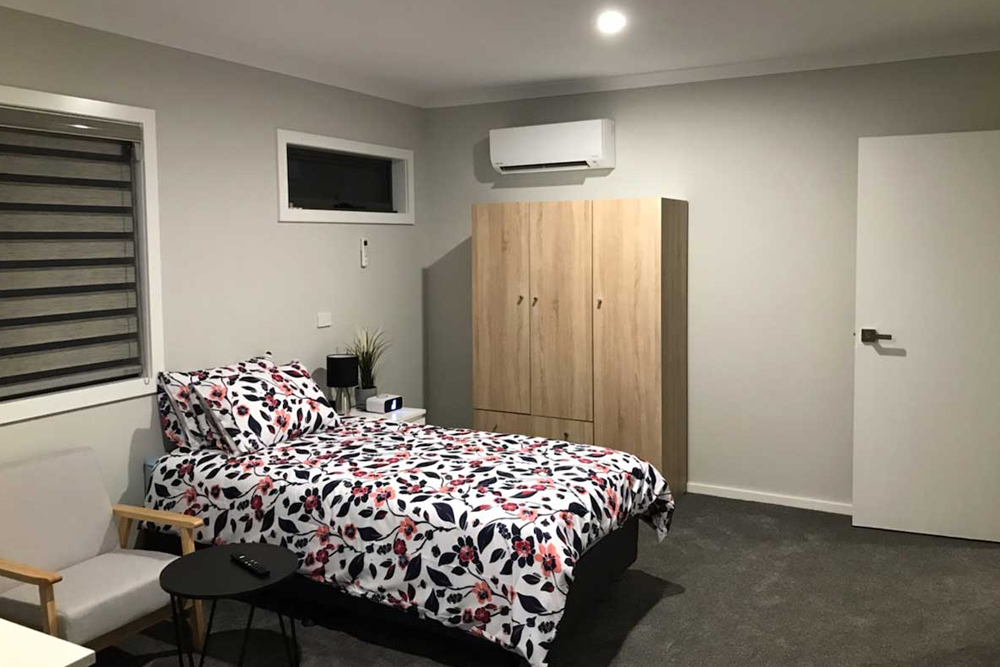
Our STA services are provided within safe and supportive environments designed to help participants feel comfortable, settled and appropriately assisted during their temporary stay. We have immense experience working with NDIS participants and can tailor our services to provide maximum benefits, including but not limited to:
- Creating opportunities for meaningful community engagement
- Providing temporary relief and reassurance for carers and families
- Encouraging participation in recreational and leisure experiences
- Supporting smoother transitions between different living arrangements
- Promoting greater familiarity with shared and supported environments
- Encouraging broader exposure to varied social experiences

Flexible STA Arrangements and Ongoing Family Communication
Every participant approaches short-term accommodation differently. Some can access STA while going through temporary changes in their routines, while others may need help from accommodation supports when their carers are not available. At LinkAssist, we are aware of the fact that NDIS accommodations are usually made keeping in mind the participant’s preferences and availability. Therefore, our team is very careful while managing these STA services.
Prior to planning the accommodation period, we understand some essential information about the participant’s routines, their comfort level and NDIA approved accommodation supports for participants. This helps us organise accommodation supports that feel more suitable and manageable for everyone involved. We also recognise that families and carers value regular communication, particularly during temporary accommodation periods. Maintaining clear and respectful coordination throughout the process therefore remains an important part of our approach.
Depending on participant circumstances and approved supports, assistance may involve:
- Coordinating suitable accommodation timeframes
- Discussing dietary, routine or accessibility considerations
- Adjusting arrangements when support needs change
- Providing updates to carers and family members where appropriate
- Organising assistance around existing daily schedules
- Maintaining communication throughout the accommodation period
Our aim is to make Short-Term Accommodation arrangements feel more organised, approachable and comfortable for participants as well as their families and carers.
Frequently asked Questions
Short-Term Accommodation (STA) is generally funded by the NDIS for up to 28 days per year, usually distributed across stays of up to 14 days at a time. The duration and frequency of STA arrangements may vary depending on participant goals, approved funding and individual support requirements.
Yes, depending on approved supports and availability, STA arrangements may also be suitable for participants accessing temporary accommodation services for the first time. Support arrangements are generally discussed beforehand to help participants feel more comfortable during the stay.
Accommodation settings may differ depending on participant preferences, availability, approved supports and the type of arrangement being accessed. Some participants may stay within shared environments, while others may require more individualised arrangements where applicable.
Participants can bring along personal items, medication, clothes, and personal necessities are some of the things that are usually talked about before making any accommodations for the participants.
STA is generally designed for temporary accommodation and short-term assistance, whereas Supported Independent Living (SIL) usually involves longer-term support arrangements within ongoing living environments.
If the participants require any such help, then STA might help participants transition temporarily. It can offer a safe and supportive environment while they adjust to changes in their living arrangements, care routines, or personal circumstances. STA may also help participants build confidence, maintain daily routines, and access the right support during the transition period.