
Supported Independent Living (SIL) isn’t simply about having someone lend a hand. At its heart, it’s about creating a lifestyle that feels steady, respectful, and manageable.
Good SIL providers across Melbourne understand this. That is why they don’t just focus on daily tasks; they help people rebuild confidence, establish healthy rhythms, and rediscover a sense of ownership over their own lives. All of this also influences participants’ mental wellbeing and independent living.
Let’s take a closer look at how SIL providers in Melbourne achieve it. First things first—
More Than Everyday Assistance
People sometimes assume Supported Independent Living is just another support service that helps with household chores. But it doesn’t tell the whole story.
SIL is an NDIS-funded support designed for participants who need ongoing assistance with everyday living while continuing to live in their own home. But the important distinction is that SIL isn’t about taking over someone’s life. The aim is to strengthen a participant’s capacity to manage everyday responsibilities with increasing confidence.
For individuals living with psychosocial disability, for example, having dependable support available can ease an enormous amount of pressure. Instead of worrying about whether they’ll cope alone, participants know help is available when it’s genuinely needed.
Everyday Challenges Look Different for Everyone
Mental health doesn’t follow a timetable.
Some mornings begin with energy and optimism; others feel heavy before breakfast has even been made. Motivation can disappear without warning. Simple household jobs suddenly feel far more demanding than they probably should. That’s the frustrating reality many people with psychosocial disability know all too well.
Rather than expecting participants to somehow “push through,” Supported Independent Living acknowledges those fluctuations and builds support around them.
Depending on individual goals and needs, SIL providers may assist with:
- Personal care and daily hygiene
- Preparing nutritious meals
- Medication reminders
- Laundry, cleaning, and household upkeep
- Shopping and meal planning
- Developing independent living skills
- Emotional encouragement during difficult periods
- Transport and community participation
- Overnight supervision where appropriate
But this support isn’t there to replace a person’s abilities. It’s there to strengthen them.
Consistency Often Becomes the Missing Piece
If there’s one thing mental health professionals frequently emphasise, it’s the value of a routine. When life feels unpredictable, even small routines can become reliable anchors.
- Regular meal times
- A consistent sleep schedule
- Medication taken on time
Household responsibilities spread across the week instead of piling up all at once
These ordinary habits often provide the stability that many participants have been searching for. That predictability often brings relief.
So, good SIL providers don’t create rigid timetables that leave no room for flexibility. Instead, they help establish routines that fit naturally into each lifestyle and can be adjusted when circumstances change.
A Home Should Feel Like a Home, Not a Facility
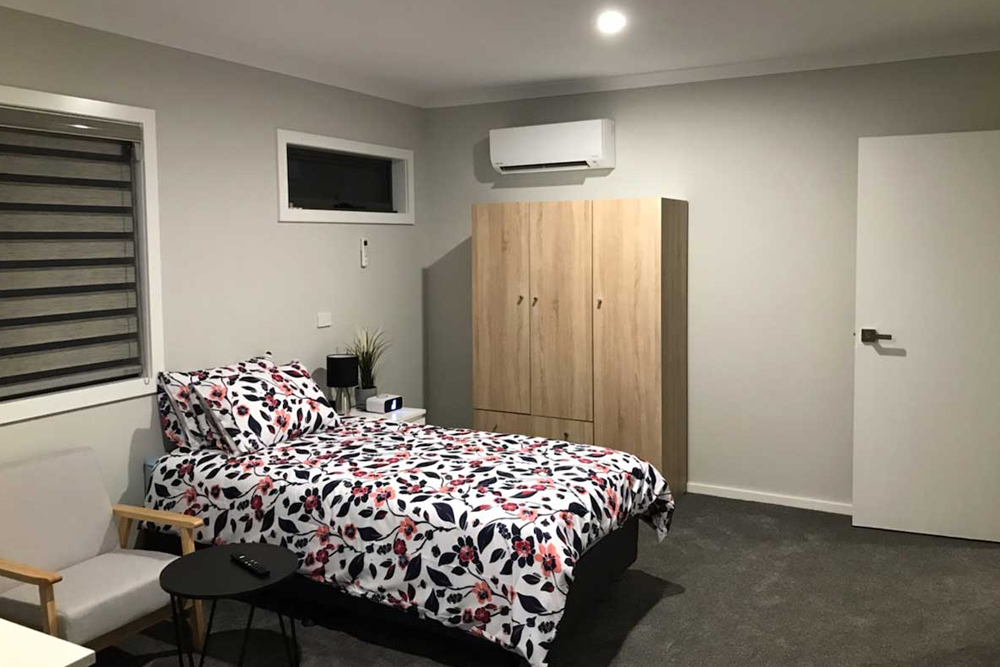
A well-run SIL home isn’t defined by spotless floors or perfectly arranged furniture. What matters far more is the atmosphere. Is it calm? Respectful? Does it feel welcoming when someone walks through the front door? Those details, surprisingly, can have a profound impact on emotional wellbeing.
For participants living with psychosocial disability, a peaceful environment often becomes the backdrop for recovery. Constant tension, unpredictable house dynamics or poor communication can quickly chip away at confidence. On the other hand, a home built around kindness, routine and mutual respect gives people room to breathe.
Strong SIL providers usually place considerable emphasis on creating environments where participants know what to expect. House rules are clear without being rigid and communication is open. There’s encouragement to socialise, but equally, there’s understanding when someone simply needs a quiet afternoon to themselves.
It’s not about creating perfection but about creating consistency.
The People Matter Just as Much as the Support
Here’s something that’s easy to overlook: support isn’t only about what is done. It’s also about who is doing it.
Even the most carefully planned support roster can fall short if participants don’t feel comfortable. That’s why experienced SIL providers place so much importance on recruiting and retaining skilled support workers.
These professionals often receive training in areas, such as trauma-informed care and recovery-oriented practice. But qualifications only tell part of the story.
The best support workers tend to possess qualities that can’t always be listed on a certificate. For example, the ability to sit quietly with someone who’s having a difficult day without trying to “fix” everything immediately is a great quality in a support worker.
Independence Doesn’t Mean Doing Everything Alone
Some people assume independence means never asking for help. But life doesn’t work that way.
Real independence is having the ability to make choices about your own life while accessing support where it’s genuinely needed. We all rely on others in different ways, don’t we? Friends, family, colleagues, neighbours. There’s nothing unusual about that.
Supported Independent Living embraces this idea.
Participants are encouraged to set personal goals, make decisions, develop new skills and gradually take on greater responsibility. All while support remains available and confidence grows.
No One Thrives in Isolation
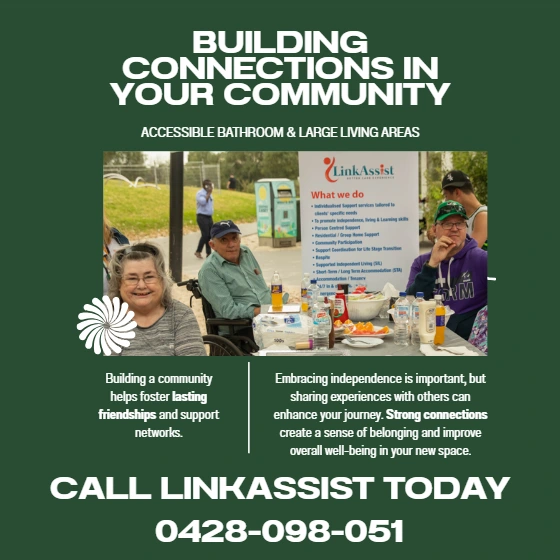
Human beings aren’t really wired to do it alone. We like to think we’re fully independent but meaningful connections always matter.
For many people living with psychosocial disability, however, loneliness can creep in almost unnoticed. Weeks pass, then months, and before long the world starts feeling much smaller than it once did. It’s a difficult cycle because isolation doesn’t just affect social life. It often feeds anxiety, chips away at self-esteem and, in some cases, deepens existing mental health challenges.
This is one area where Supported Independent Living can make a genuine difference.
Rather than encouraging participants to remain within the comfort of their home, SIL providers support them to reconnect with the wider community. But there’s no pressure to dive headfirst into busy social settings. In fact, taking things slowly is often the better approach.
Working Together Creates Better Outcomes
Mental health support rarely exists in isolation, nor should it.
Participants often have a network of professionals involved in their care, each bringing different expertise to the table. Psychologists, psychiatrists, occupational therapists, support coordinators, behaviour support practitioners contribute pieces of a much larger picture.
So with the participant’s consent, support teams frequently collaborate with other professionals to ensure everyone is moving in the same direction. That collaborative approach often gives participants greater confidence because they aren’t receiving fragmented advice from multiple directions. Instead, their support begins to feel complete.
The Conclusion
There’s a tendency to think of independence as a finish line. One day you’ve “made it,” you no longer need help. But real life isn’t nearly so precise.
That is why Supported Independent Living doesn’t promise perfection, nor does it pretend recovery follows a straight path. What SIL can provide is something far more valuable, a steady foundation.
If you are considering SIL and wish to learn more, feel free to reach out to our experts at Link Assist.